Need more options?
Advanced SearchNeed Help Getting Started?
See Our Resource CenterNeed an Estimate?
Get Your Cost to Build ReportReady to Make it Yours?
Customize Your Floor Plan5 Ways To Winterize Your Home From Top to Bottom
It is very likely that once or twice you have heard the song that delights in "Jack Frost nipping at your nose."

However, once past the sledding and the snowball fights, the last thing any homeowner wants is house problems in the middle of the cold winter. Taking a few steps in the early fall to winterize your home can help prevent uncomfortable and costly damages:
1. Up on the Rooftop
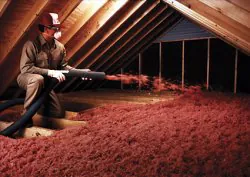
If your local temperatures dip below 32 degrees Fahrenheit, it would be a good idea to add some extra insulation to your attic space. This will help prevent ice dams from forming and causing disastrous damage. It is also the time to replace worn shingles and clear debris out of the gutters and downspouts.
2. Doors and Windows
When walking from the living room to the dining room, it may not be as natural to feel a draft as you think. When the weather turns chilly and certain spaces seem cooler or drafty, it is time to find the source. Caulking small cracks, replacing cracked windows, and weather stripping all doors makes the home more comfortable and makes the heating system more efficient. Look into covering basement windows and glass storm doors with plastic film that helps insulate. Between 10 and 20 dollars, this film is easily applied to surfaces with a hairdryer.

3. Prevent Frozen Plumbing
Start by draining all garden hoses, insulating exposed pipes, and most importantly, always know where the water main is located. If something happens it will be imperative to shut the water off quickly.
4. Prepare the Fireplace
Enjoyed by many families, the home fireplace requires a bit of attention. First, be sure the top is capped or screened so small animals and birds do not get trapped. Have the chimney cleaned professionally, the damper inspected, and the brick mortar examined for necessary repairs. Also, store firewood dryly and away from the home. This is an excellent time to check that all smoke detectors are functioning properly.
5. HVAC Inspection
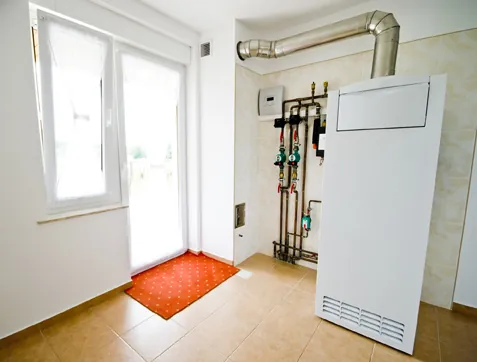
This time of year calls for a furnace inspection, stocking of furnace filters that should be changed monthly, and duct cleaning every 3 to 5 years. For hot water heaters, there are special "blankets" available to keep things running efficiently through the coldest months. Also look at your thermostat — is it programmable for energy efficiency? If not, this is a great time to upgrade!
Additionally, it is also important to prepare your lawn by removing seasonal plants and sealing patios and decks. Tune and upgrade seasonal equipment such as snowblowers, shovels, and rakes, and keep ice-melt and sand handy. With a little extra effort put in as the weather cools down, your home will be ready for anything Jack Frost wants to throw your way.
Here are some related articles: